Metal siding has become the go‑to exterior solution for homeowners seeking a blend of durability, low maintenance, and modern curb appeal, and the fastest way to reap those benefits is to choose a high‑quality product and install it correctly. By selecting the right metal cladding—whether steel, aluminum, or a zinc alloy—you can protect your home against harsh weather, improve energy efficiency, and boost resale value, all while enjoying a sleek look that lasts for decades.
Why Metal Siding Is Gaining Momentum in 2026
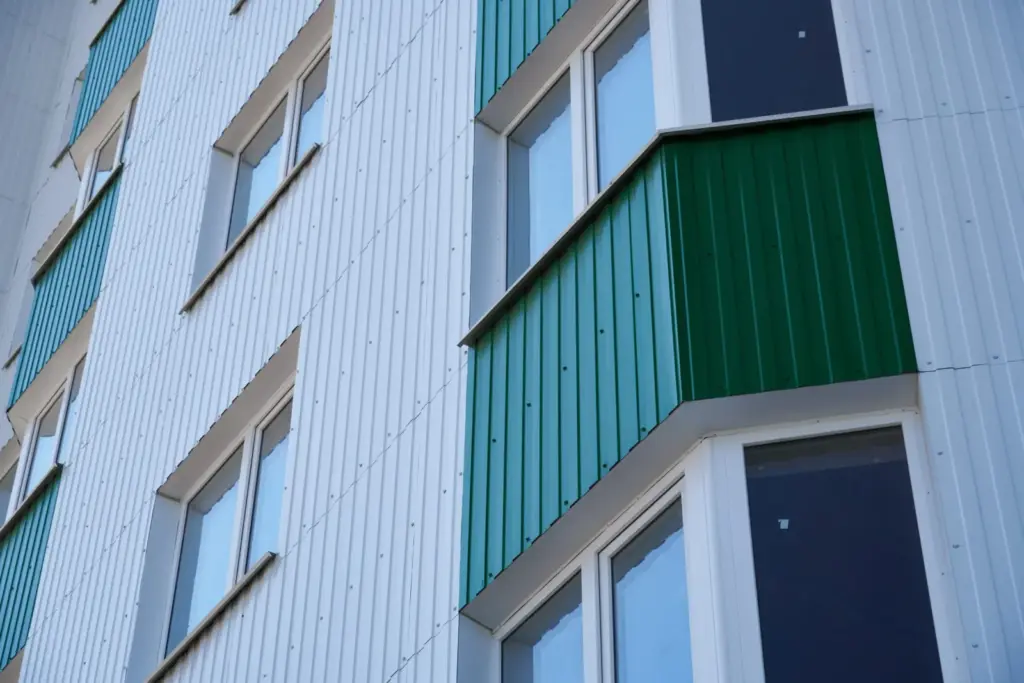
According to the 2025 report from the National Association of Home Builders (NAHB), metal siding installations grew by 12 % year‑over‑year, outpacing vinyl and wood options. The surge is driven by several factors:
- Longevity: Steel siding can withstand impact and resist dents for up to 50 years, while aluminum offers natural rust‑resistance.
- Energy efficiency: Modern metal panels incorporate built‑in insulation or reflective finishes that can lower heating bills by 8‑15 % (U.S. Department of Energy, 2025).
- Eco‑friendliness: Up to 90 % of steel and aluminum products are recycled content, meeting LEED v4.1 credits for sustainable construction.
- Design versatility: From standing‑rib panels to board‑and‑batten profiles, metal siding can emulate traditional wood looks without the upkeep.
Choosing the Right Metal Siding Material
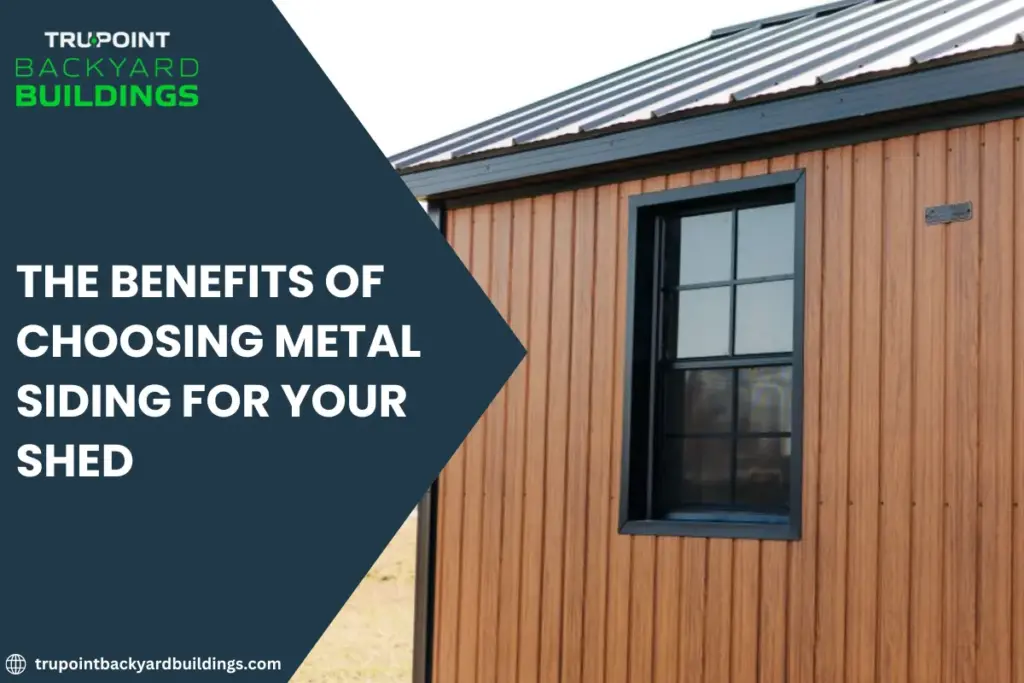
Not all metal siding is created equal. The most common options in the U.S. market include:
Table of Contents
- Why Metal Siding Is Gaining Momentum in 2026
- Choosing the Right Metal Siding Material
- Steel Siding
- Aluminum Siding
- Zinc and Copper Composite Panels
- Cost Considerations and ROI
- Installation Process: What Homeowners Should Expect
- Maintenance Tips to Extend the Life of Metal Siding
- Environmental Impact and Sustainability
- Common Mistakes and How to Avoid Them
- Improper Expansion Gaps
- Using Incorrect Fasteners
- Skipping the WRB
- Real‑World Case Study: Metal Siding Renovation in Denver
- Future Trends: What’s Next for Metal Siding?
- Frequently Asked Questions
- Is metal siding suitable for historic homes?
- How does metal siding compare to LP SmartSide?
- Can I install metal siding myself?
- What warranty coverage is typical?
- Does metal siding affect home resale value?
- Bottom Line: Is Metal Siding Right for You?
Steel Siding
Steel is prized for its strength and impact resistance. Galvanized or pre‑painted steel panels provide a protective barrier against moisture and insects. When properly coated, steel can resist corrosion for 40 + years, making it ideal for coastal regions where salt spray is a concern.
Aluminum Siding
Aluminum’s natural oxide layer makes it virtually rust‑proof, which is why many homeowners in humid climates favor it. Although slightly softer than steel, modern aluminum alloys are engineered for enhanced dent resistance and can be finished with a wide range of colors.
Zinc and Copper Composite Panels
These premium choices deliver a distinctive patina that evolves over time. While the upfront cost is higher, the unique aesthetic and exceptional durability (often exceeding 70 years) justify the investment for high‑end projects.
For a deeper dive into aluminum siding specifics, see What Exactly Is Aluminum Siding?.
Cost Considerations and ROI
Metal siding is often perceived as expensive, but a comprehensive cost analysis reveals a compelling ROI. According to HomeAdvisor’s 2026 cost calculator, the average price per square foot for pre‑painted steel ranges from $5.50 to $9.00, while aluminum sits between $4.75 and $8.50. When you factor in the reduced maintenance—no painting every 5‑7 years, minimal repairs, and lower insurance premiums—the life‑cycle cost can be 25‑30 % less than vinyl over a 30‑year horizon.
Additionally, the Home Siding Guide 2026 notes that homes with metal cladding sell for an average premium of 4‑6 % compared to those with traditional wood siding, a benefit that becomes more pronounced in markets that prioritize energy efficiency and low‑maintenance exteriors.
Installation Process: What Homeowners Should Expect
Proper installation is crucial to unlocking the full potential of metal siding. Below is a step‑by‑step overview that contractors typically follow:
- Preparation: Remove existing siding, repair any damaged sheathing, and install a weather‑resistant barrier (WRB) such as Tyvek.
- Flashing and Trim: Apply metal flashing around windows, doors, and rooflines to prevent water infiltration.
- Panel Layout: Start at the bottom, overlapping each subsequent panel by at least 2 inches to create a watertight seal. Use a hidden fastener system to reduce visible nail heads.
- Sealant Application: Apply high‑quality silicone sealant at seams and around penetrations for extra protection against wind‑driven rain.
- Finishing Touches: Install trim pieces, soffit, and fascia to complete the look. A final inspection ensures compliance with local building codes.
For homeowners seeking reliable professionals, the Find the Best Siding Near Me in 2026 guide offers a vetted list of local contractors, cost breakdowns, and tips on evaluating quotes.
Maintenance Tips to Extend the Life of Metal Siding
While metal siding is low‑maintenance, a few simple practices keep it looking fresh:
- Annual Inspection: Look for loose fasteners, damaged panels, or rust spots, especially after severe storms.
- Gentle Cleaning: Use a garden hose and a mild detergent; avoid abrasive brushes that can scratch the finish.
- Re‑coating: For steel, a touch‑up paint may be needed every 10‑15 years in high‑UV zones. Aluminum generally does not require repainting.
Environmental Impact and Sustainability
Metal siding aligns with green building standards in several ways:
- Recyclability: Steel and aluminum are among the most recycled materials worldwide. The Steel Recycling Institute reports that 97 % of steel is reclaimed at the end of its service life.
- Energy Savings: Reflective metal panels can reduce cooling loads by up to 20 % in hot climates (Energy Star, 2025).
- Low VOC Emissions: Modern pre‑painted coatings are formulated with low volatile organic compounds, meeting EPA’s strict standards.
Common Mistakes and How to Avoid Them
Even seasoned homeowners can stumble when dealing with metal siding. Below are pitfalls to watch for:
Improper Expansion Gaps
Metal expands and contracts with temperature changes. Failing to leave the recommended ¼‑inch expansion gap at panel ends can cause warping or buckling. Always follow the manufacturer’s specifications.
Using Incorrect Fasteners
Standard nails can loosen over time, especially on steel. Opt for corrosion‑resistant screws or hidden fastener clips designed for metal cladding.
Skipping the WRB
Skipping the weather‑resistant barrier may lead to moisture seeping behind the siding, causing rot or mold in the underlying sheathing.
Real‑World Case Study: Metal Siding Renovation in Denver
In 2025, a 2,500‑sq‑ft home in Denver replaced its aging vinyl siding with insulated steel panels. The project, managed by a local contractor featured in the Top 2026 Guide to Choosing the Right Siding Companies, achieved the following results:
- Energy Reduction: Heating bills dropped by 12 % during the winter months.
- Cost Efficiency: The total cost was $8,200, 15 % less than the quoted estimate for fiber‑cement alternatives.
- Durability: No dents or rust after three consecutive hailstorms, a common issue for neighboring homes with traditional siding.
Future Trends: What’s Next for Metal Siding?
Industry analysts predict three key developments for 2027 and beyond:
- Smart Panels: Integrated solar cells and sensors that monitor humidity and temperature are being prototyped by manufacturers like Alcoa.
- Advanced Coatings: Nano‑ceramic finishes promise self‑cleaning properties and enhanced UV resistance.
- Hybrid Systems: Combining metal with insulated foam backings offers the best of both worlds—structural strength and superior thermal performance.
Frequently Asked Questions
Is metal siding suitable for historic homes?
Yes. With proper profiling, metal can mimic the look of traditional wood clapboard or shingle, preserving the historic character while adding modern durability.
How does metal siding compare to LP SmartSide?
LP SmartSide is a engineered wood product offering good impact resistance and a wood‑like appearance. Metal siding, however, provides superior fire rating (Class A), better moisture resistance, and a longer lifespan. For a side‑by‑side comparison, see LP SmartSide Explained.
Can I install metal siding myself?
DIY installation is possible for experienced handymen, but professional installation ensures proper flashing, expansion gaps, and compliance with local building codes—critical for warranty protection.
What warranty coverage is typical?
Manufacturers usually offer 20‑30 year limited warranties against rust, fading, and structural failure. Always verify that the installer’s workmanship warranty aligns with the product warranty.
Does metal siding affect home resale value?
Yes. Studies from Zillow (2026) show homes with metal cladding sell 4‑7 % faster and at higher price points than comparable homes with vinyl siding.
Bottom Line: Is Metal Siding Right for You?
If you value long‑term durability, low maintenance, energy savings, and a modern aesthetic, metal siding is a compelling choice. By selecting the appropriate material—steel for impact‑prone areas, aluminum for coastal climates, or a composite for high‑end designs—and partnering with an experienced installer, you can achieve a resilient envelope that enhances both comfort and curb appeal.
Ready to explore options? Start by reviewing Find the Best Siding Installers Near Me – 2026 Expert Guide to connect with trusted professionals in your region.
