Finding the right siding company nearby is all about matching local expertise with transparent pricing, solid warranties, and a portfolio that proves they can deliver the look and performance you expect for your home.
Why Proximity Matters When Choosing a Siding Contractor
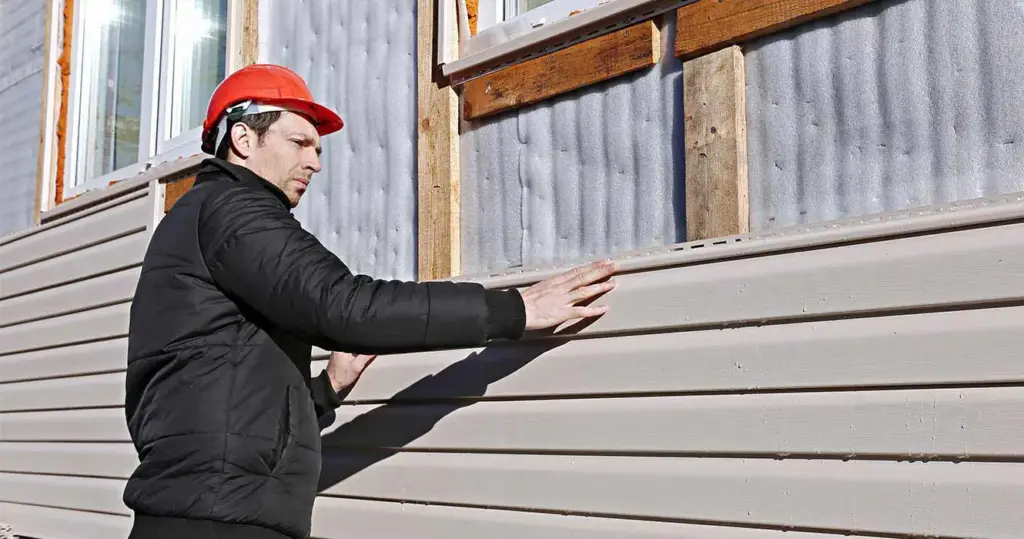
Local contractors know the climate nuances of your region, which directly influences the choice of materials—whether you need moisture‑resistant vinyl, fire‑rated fiber cement, or insulated panels that boost energy efficiency. A nearby firm can also respond faster to on‑site inspections, provide quicker material deliveries, and schedule work around your calendar without the logistical headaches that arise when the crew is based hundreds of miles away.
Key Criteria to Evaluate “Siding Companies Near Me”
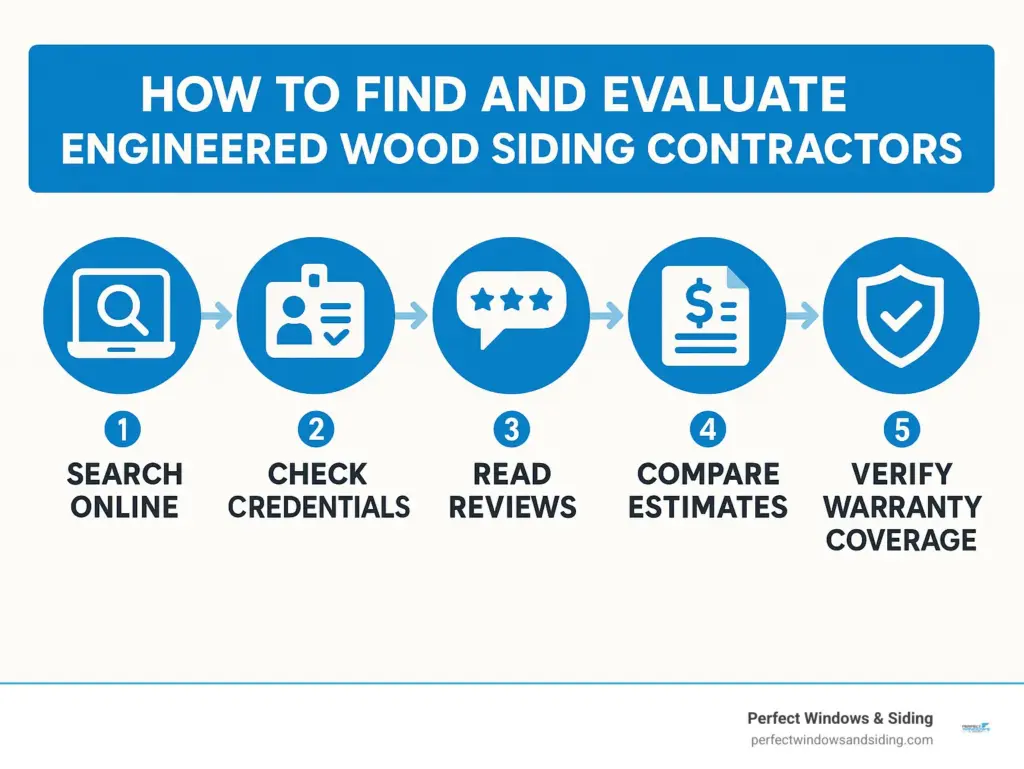
1. Licensing, Insurance, and Certifications
Before signing a contract, verify that the company holds a valid contractor’s license for exterior home renovation in your state. Look for certifications from manufacturers such as CertainTeed or James Hardie, which signal that the crew has completed specialized training for installing vinyl siding, fiber cement, or insulated panels.
Table of Contents
- Why Proximity Matters When Choosing a Siding Contractor
- Key Criteria to Evaluate “Siding Companies Near Me”
- 1. Licensing, Insurance, and Certifications
- 2. Reputation and Customer Feedback
- 3. Portfolio of Recent Projects
- 4. Transparent Pricing Structure
- 5. Warranty Coverage
- How to Locate the Best Local Siding Companies
- Vinyl Siding: A Popular Choice for Homeowners in 2026
- Step‑by‑Step Guide to Hiring a Local Siding Contractor
- Step 1: Define Your Project Scope
- Step 2: Research and Shortlist
- Step 3: Request Detailed Proposals
- Step 4: Evaluate and Verify
- Step 5: Sign a Clear Contract
- Common Mistakes Homeowners Make When Selecting Siding Companies
- Data & Statistics Shaping the Siding Industry in 2026
- Frequently Asked Questions
- What is the typical timeline for a full siding replacement?
- Can I install siding myself to save money?
- How do I know if a siding material is environmentally friendly?
- Do siding companies handle permits?
- Final Thoughts: Making an Informed Decision
2. Reputation and Customer Feedback
Check reviews on platforms like Google, Angi, and the Better Business Bureau. Consistently high ratings (4.5 ★ or above) and detailed testimonials about “professional crew” or “clean job site” often indicate reliability. Pay special attention to comments on after‑service support—many homeowners discover issues months later and rely on the contractor’s warranty handling.
3. Portfolio of Recent Projects
A reputable siding company should showcase before‑and‑after photos of recent installations. Look for projects that resemble your home’s architectural style, whether it’s a Craftsman bungalow, a mid‑century modern, or a new build. This visual evidence helps you assess their craftsmanship and material expertise.
4. Transparent Pricing Structure
Cost of siding varies widely based on material, square footage, and any additional services like removal of old siding or installation of a weather‑resistant barrier. The most trustworthy firms provide a written, itemized estimate that breaks down labor, materials, and any optional upgrades. According to the National Association of Home Builders (2025 report), the average cost for vinyl siding installation in the U.S. ranges from $3.50 to $7.00 per square foot, but local market conditions can shift that figure.
5. Warranty Coverage
Look for at least a 10‑year warranty on the siding material and a separate workmanship guarantee. Some manufacturers offer lifetime warranties on premium products, but only if installed by an authorized contractor. Verify that the warranty terms are clearly outlined in the contract.
How to Locate the Best Local Siding Companies
- Search with Location Modifiers: Use queries like “siding contractors in [your city]” or “vinyl siding installation near me” to narrow results to nearby firms.
- Leverage Community Resources: Ask neighbors, local hardware stores, or home‑owner association boards for referrals. Word‑of‑mouth recommendations often reveal hidden gems not heavily marketed online.
- Check Professional Directories: Websites such as the National Association of the Remodeling Industry (NARI) maintain searchable directories of verified members.
- Compare Multiple Quotes: Request at least three detailed proposals. Use a spreadsheet to compare labor rates, material choices, warranty terms, and projected timelines.
Vinyl Siding: A Popular Choice for Homeowners in 2026
Vinyl siding continues to dominate the market due to its low maintenance, durability, and cost‑effectiveness. For a comprehensive overview of the latest vinyl siding innovations, see our Vinyl Siding 2026: Ultimate Guide to Benefits, Installation & Future Trends. The guide highlights how new polymer blends improve impact resistance and how integrated insulation layers can reduce heating bills by up to 15 % in colder climates.
Step‑by‑Step Guide to Hiring a Local Siding Contractor
Step 1: Define Your Project Scope
Measure the exterior surface area of your home or request a professional measurement. Decide whether you’ll replace existing siding, add a new weather barrier, or combine siding with new trim work.
Step 2: Research and Shortlist
Compile a list of at least five “siding companies near me” using the methods above. Verify each company’s licensing status via your state’s contractor board website.
Step 3: Request Detailed Proposals
Provide each contractor with the same project specifications so you can compare apples‑to‑apples. Ask for a breakdown that includes:
- Material brand and model (e.g., CertainTeed Dynasty Vinyl)
- Labor cost per square foot
- Removal and disposal fees for old siding
- Estimated start and completion dates
- Warranty details for both product and workmanship
Step 4: Evaluate and Verify
Contact at least two references from each contractor’s recent projects. Inquire about punctuality, cleanliness, and whether any post‑installation issues arose and how they were resolved.
Step 5: Sign a Clear Contract
Ensure the contract includes:
- A detailed scope of work
- Payment schedule (typically 10 % deposit, 40 % mid‑project, 50 % upon completion)
- Cancellation policy
- Warranty clauses
Common Mistakes Homeowners Make When Selecting Siding Companies
- Choosing Based Solely on Price: The lowest bid often cuts corners on material quality or skips essential steps like installing a proper house wrap, which can lead to moisture problems later.
- Ignoring Licensing and Insurance: Unlicensed crews may not adhere to local building codes, resulting in costly rework or denied insurance claims if water damage occurs.
- Skipping the Warranty Review: Some contractors offer “extended warranties” that are not backed by the manufacturer, providing little real protection.
- Not Considering Energy Efficiency: Modern insulated siding systems can improve R‑value by up to 30 % compared to traditional options, reducing heating and cooling expenses.
Data & Statistics Shaping the Siding Industry in 2026
According to the Home Improvement Research Institute (HIRI, 2026), the U.S. residential siding market grew 4.2 % year‑over‑year, reaching a total value of $13.7 billion. Vinyl accounted for 58 % of installations, while fiber cement captured 22 %, reflecting growing consumer demand for fire‑resistant and low‑maintenance options. Moreover, the Energy Star program reported that homes with insulated vinyl siding saw an average energy savings of 12 % during the 2025–2026 heating season.
Frequently Asked Questions
What is the typical timeline for a full siding replacement?
For an average 2,000‑sq‑ft home, most contractors complete the job within 7–10 business days, assuming no unforeseen weather delays. This includes removal of old siding, installation of a moisture barrier, and finishing with trim.
Can I install siding myself to save money?
While DIY installation is technically possible, it requires specialized tools, precise measurement, and knowledge of building codes. Mistakes can void manufacturer warranties and lead to water intrusion, ultimately costing more than a professional job.
How do I know if a siding material is environmentally friendly?
Look for products with recycled content and low VOC (volatile organic compound) emissions. Many manufacturers now label their siding as “Eco‑Certified” when it meets standards set by the International Green Construction Code (IgCC).
Do siding companies handle permits?
Most reputable firms will obtain any required building permits on your behalf, especially if the project involves structural changes or updates to fire‑rated walls. Always confirm this during the proposal stage.
Final Thoughts: Making an Informed Decision
Choosing a siding contractor that’s truly local means you benefit from faster communication, a deeper understanding of regional weather challenges, and a higher likelihood of post‑installation support. By evaluating licensing, reputation, portfolio, pricing transparency, and warranty coverage, you can avoid common pitfalls and secure a durable, attractive exterior that adds value to your home. Remember to compare multiple quotes, ask detailed questions, and read the fine print before signing any agreement. With the right partner, your siding project can be completed on schedule, within budget, and with a finish that lasts for decades.
Ready to explore material options? Our comprehensive vinyl siding guide offers insights into the latest product innovations, helping you make a choice that aligns with both aesthetic goals and energy‑efficiency targets.
Take the next step today: research local siding companies, request detailed proposals, and invest in an exterior upgrade that protects your home while boosting curb appeal.
